I want to bring biodiversity closer to home: right into our living rooms and offices through the products we use.
For around 20 years, I've immersed myself in the composition and origins of materials and products. It's a journey that constantly reveals the intricate dance between human creation and the natural world — so much so that I sometimes forget this isn't everyone's daily meditation!
So, today, let's deconstruct a common household item: a conventional sofa. We'll explore its often invisible ties to global ecosystems, its dependencies on biodiversity, and its potential impacts.
The frame
The structural integrity of most sofas relies on a frame, typically constructed from solid wood, particleboard, plywood, or fiberboard.
Dependencies on biodiversity
These materials originate from forests. Forest growth depends on:
Healthy soil: A living matrix of microbes, fungi, and invertebrates that drive nutrient cycling, create soil structure, and ensure water availability. Without this soil biodiversity, forests cannot thrive.
Water cycles: Predictable rainfall and healthy watersheds, regulated by surrounding vegetation and atmospheric conditions.
Genetic diversity: The resilience of tree species to pests, diseases, and a changing climate hinges on their genetic diversity, both within managed forests and in wild relative populations.
Potential impacts
Unsustainable logging: If not sourced responsibly, timber extraction can lead to deforestation, habitat fragmentation for countless species (from insects to large mammals), soil erosion (which can choke waterways), disrupted hydrological cycles, and the release of stored carbon, exacerbating climate change.
Monoculture forestry: While providing timber, large-scale monoculture tree plantations support significantly less biodiversity than natural, diverse forests. They are more susceptible to pests and may negatively impact soil health and water resources over time.
Engineered woods: The production of particleboard, plywood, and fiberboard involves energy-intensive processes and often uses resins and binding agents. While the industry is moving towards lower-VOC (Volatile Organic Compound) options, many conventional products still involve chemicals like formaldehyde, impacting both manufacturing environments and the end customer's — so: your — indoor air quality.
Textiles: nature vs. synthetics
The fabrics covering our sofas — cotton, polyester, linen, blends — each tell their own ecological story.
Cotton
Dependencies: This thirsty crop relies on significant water resources, fertile soil (itself a product of biodiversity), and, for optimal yields and cross-pollination in some varieties, the presence of pollinators within the broader agricultural ecosystem. Even though cotton technically doesn't rely on insect pollination, the presence of pollinators significantly increases the weight of cotton bolls, which translates to higher yields and profits for growers.
Impacts (conventional cotton): Conventional cotton farming is one of the most input-intensive agricultural practices globally. It can involve:
High water consumption: Often grown in arid or semi-arid regions, requiring vast amounts of irrigation, sometimes depleting local rivers and groundwater.
Pesticide & herbicide use: Heavy application can harm non-target species, including beneficial insects and pollinators, contaminate water sources, and pose health risks to farmworkers.
Fertilizer runoff: Can lead to eutrophication of waterways, damaging aquatic biodiversity.
Soil degradation: Monoculture and intensive practices can deplete soil organic matter and structure.
Emerging solutions: Organic, regenerative, and initiatives like the Better Cotton Initiative (BCI) offer pathways to significantly reduce these negative impacts by focusing on soil health, water stewardship, and reduced chemical inputs.
Polyester & other synthetics
Dependencies: These fibers are predominantly derived from petrochemicals — essentially, fossilized ancient biomass. Their production also relies on significant energy inputs and chemical precursors.
Impacts: The extraction of fossil fuels and the manufacturing processes for synthetics have a substantial nature footprint. This includes:
Habitat disruption: From oil and gas exploration and infrastructure.
Greenhouse gas emissions: Contributing to climate change, a major driver of biodiversity loss globally.
Chemical pollution: Potential release of pollutants into air and water during production.
Microplastic pollution: Synthetic textiles shed microplastic fibers during manufacturing, wear, and washing. These persistent particles contaminate aquatic and terrestrial ecosystems, entering food webs with largely unknown long-term ecological and health consequences. Although we don't wash sofa covers as frequently as our clothes, this is still a concern.
End-of-life: Most synthetics are non-biodegradable, contributing to plastic accumulation in landfills and the wider environment.
Blended fabrics
While blends can offer desirable performance characteristics, they create a major hurdle for recycling. Separating intertwined natural and synthetic fibers is technologically challenging and often economically unviable, meaning most blended textiles end their life in landfills or incineration.
Dyes & finishes
The dyeing and finishing processes for textiles are notoriously water-intensive and can be highly polluting if wastewater isn't properly treated. Conventional dyes may contain heavy metals or other toxic chemicals. Special finishes — for water repellency, flame retardancy, or anti-microbial properties — can also involve chemicals with adverse health and environmental effects.
Cushioning: the petrochemical heart
The inviting softness of most conventional sofas comes from polyurethane foam and polyester wadding.
Dependencies: Like synthetic textiles, these materials are primarily derived from petrochemicals.
Impacts:
Resource depletion & habitat impact: Relies on finite fossil fuel resources, with extraction impacting landscapes and ecosystems.
Production footprint: Manufacturing these foams and waddings is energy-intensive, contributing to greenhouse gas emissions. It also involves a range of chemical inputs, with potential for pollution if not managed strictly.
Flame retardants: Historically, and sometimes still, chemical flame retardants were added to polyurethane foam. Many of these substances have been found to be persistent in the environment, bioaccumulative in living organisms, and potentially toxic to human and ecological health. While regulations are tightening and more responsible alternatives are sought, this remains a concern.
End-of-life: Polyurethane foam and polyester wadding are non-biodegradable and difficult to recycle effectively, meaning they contribute significantly to landfill volume. They can persist in the environment for centuries if they escape waste streams, breaking down into smaller plastic particles. While some foam can be "downcycled" into carpet padding, it's not a circular solution — and definitely not one that takes nature's and humans' health into account.
The unseen support: metals, plastics & fasteners
The internal structure and fittings also have their own ecological footprint.
Metals (springs, legs, frame fasteners)
Dependencies: Extracted from mined ores, requiring significant land use.
Impacts: Mining operations can cause significant and lasting environmental damage — habitat destruction through open-pit mining and infrastructure development, landscape scarring, soil erosion, acid mine drainage, and the release of heavy metals into water systems, devastating local biodiversity. The smelting process to refine metals is also very energy-intensive.
Plastics (feet, some structural components)
Dependencies: Mostly derived from fossil fuels, requiring extraction and processing.
Impacts: Beyond their carbon footprint during production, these plastics contribute to environmental persistence (accumulating in landfills and natural environments if mismanaged), potential chemical leaching over time, and the sheer volume of small plastic components across myriad products that feeds the global plastic waste challenge — impacting ecosystems from terrestrial to marine.
Beyond the product itself: systemic impacts we often miss
A sofa's biodiversity story doesn't end with its material components.
Transportation & logistics: Consider the global journey: raw materials shipped to processing plants, components to manufacturers, and the final product to retailers and then your home. This vast network relies heavily on fossil fuels, contributing to greenhouse gas emissions that drive climate change — a primary threat to global biodiversity. Port and road infrastructure also directly impacts and fragments habitats.
Packaging: The cardboard, plastic films, and foam inserts used to protect your sofa in transit all have their own resource dependencies (forestry for cardboard, fossil fuels for plastics) and end-of-life impacts.
Energy in manufacturing: The cumulative energy consumed in sourcing raw materials, processing them into components, and assembling the final sofa represents a significant, often hidden, energy footprint, again linking back to climate change and biodiversity.
From impact to intention
Deconstructing an everyday item like a sofa reveals a complex web of interactions with nature and biodiversity. Every component, every process, tells a story. It's clear that traditional linear models of "take-make-dispose" are not sustainable. This means seeking transparent data and deep ecological insights to understand the full spectrum of impacts and dependencies.
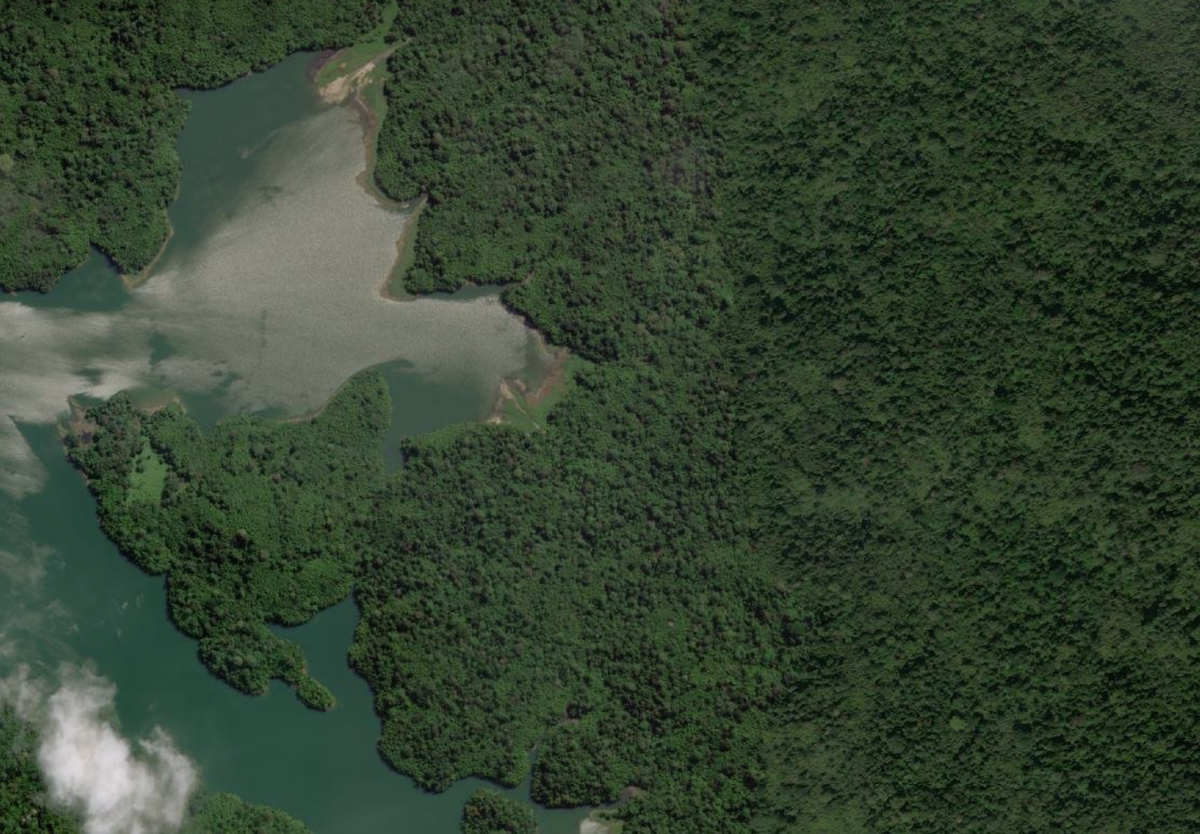
Now imagine drawing a polygon where your sofa's timber was sourced and seeing the satellite data — vegetation health declining, deforestation alerts accumulating in the buffer zone, zero pollinator records in the functional group scan. That's the connection between the product in your living room and the landscape it came from. The frame you're sitting on, the cotton in the cushion cover, the rubber tree plantation that produced the latex — each traces back to a specific place on Earth, with a specific ecological story unfolding right now.
That's what Archaster makes visible. From satellite to story in 30 seconds.